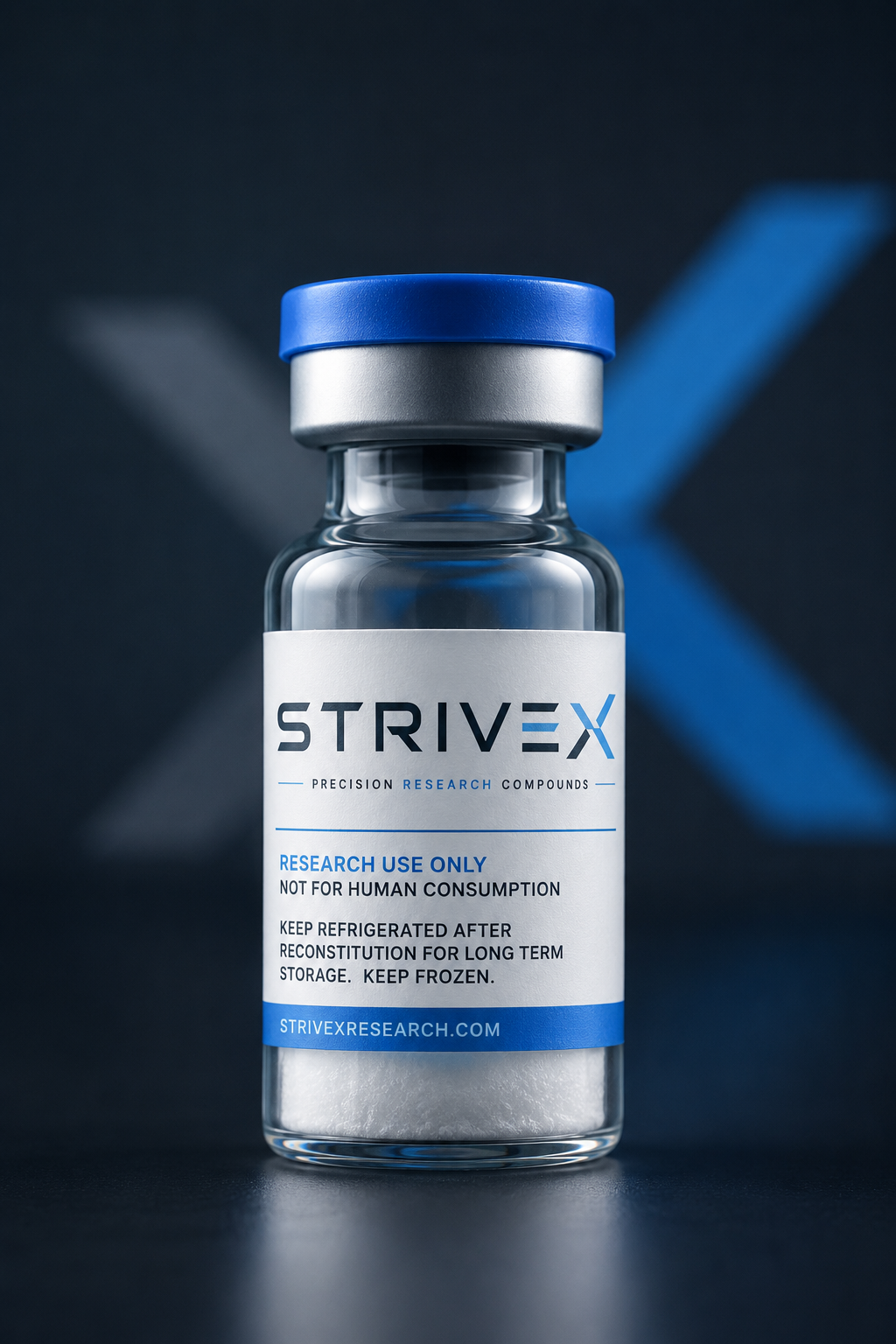
Why Proper Peptide Storage Matters
Proper storage is critical for maintaining peptide quality, purity, and structural integrity. Peptides are sensitive molecules that can degrade if exposed to incorrect conditions. Degradation leads to:
- Compromised research applications
- Invalid experimental results
- Wasted resources and research time
- Inaccurate data
Understanding how to store peptides correctly ensures you get maximum value from your research materials.
Temperature Requirements
Temperature is the most important factor in peptide storage. Different storage temperatures suit different time horizons:
Short-term Storage (2-4 weeks)
- Temperature: 2-8°C (refrigerator)
- Location: Standard refrigerator or pharmacy refrigerator
- Best for: Peptides you’ll use within a few weeks
- Advantage: Easy access and convenient
Medium-term Storage (2-6 months)
- Temperature: -20°C (freezer)
- Location: Standard home freezer or laboratory freezer
- Best for: Peptides you’ll use within a few months
- Advantage: Significantly extends shelf life
Long-term Storage (6+ months)
- Temperature: -80°C (ultra-low freezer)
- Location: Scientific ultra-low freezer or liquid nitrogen tank
- Best for: Extended storage and archival purposes
- Advantage: Preserves peptides for years
Extended Storage (Multiple years)
- Temperature: -20°C with lyophilization
- Method: Freeze-dried (lyophilized) peptides in sealed vials
- Best for: Very long-term storage
- Advantage: Maximum preservation with minimal volume
Storage Containers and Vials
The type of container matters significantly for peptide preservation:
Recommended Container Types
Vials
- Use amber or dark glass vials for light-sensitive peptides
- Ensure airtight seals to prevent moisture absorption
- Labels should include peptide name, concentration, date, and storage temperature
Sealants
- Use airtight caps or rubber seals
- Avoid containers that allow air exchange
- Silicon-lined caps are preferable for long-term storage
Desiccants
- Include desiccant packets in storage containers
- Desiccants absorb moisture that degrades peptides
- Replace desiccants periodically for ultra-long storage
Humidity Control
Moisture is a major enemy of peptide stability. High humidity environments cause:
- Molecular degradation
- Bacterial growth
- Protein aggregation
- Loss of potency
Managing Humidity
- Store in dry environments: Keep peptides away from humid areas
- Use desiccant packets: Include in storage containers
- Avoid condensation: Don’t expose peptides to temperature fluctuations
- Use dry boxes: Store containers in designated dry boxes with desiccants
- Monitor conditions: Use humidity meters in storage areas
Light Exposure
Light can degrade peptides through a process called photodegradation. Protect peptides by:
- Using amber/dark vials: Blocks harmful light wavelengths
- Storing in dark spaces: Keep away from direct light
- Avoiding UV exposure: Never store in areas with UV light
- Using opaque containers: Dark storage boxes provide extra protection
Freeze-Thaw Cycles
Repeatedly freezing and thawing peptides damages them. To minimize freeze-thaw damage:
Best Practices
- Aliquot your peptides: Divide into small portions
- Use what you need: Only thaw the amount needed for one experiment
- Minimize thawing: Avoid multiple thaw cycles
- Reconstitute carefully: Gently thaw at cold temperatures (2-8°C)
- Plan ahead: Prepare your work so you can use each aliquot efficiently
Reconstitution Guidelines
When you’re ready to use your peptides:
Using Bacteriostatic Water
- Choose BAC Water: Bacteriostatic water prevents bacterial growth
- Sterile technique: Use sterile needles and syringes
- Gentle mixing: Mix slowly to prevent foaming
- Avoid agitation: Don’t shake vigorously
- Temperature control: Work in cool environments
Reconstitution Process
- Calculate volume: Determine how much BAC Water you need
- Add water slowly: Add water to the peptide vial gradually
- Allow dissolution: Give peptides time to fully dissolve (15-30 minutes)
- Verify clarity: Ensure the solution is clear before use
- Label clearly: Mark reconstituted peptides with date and concentration
Common Storage Mistakes to Avoid
Don’t:
- Store peptides at room temperature (unless lyophilized)
- Expose peptides to direct sunlight
- Store in areas with temperature fluctuations
- Use improperly sealed containers
- Ignore humidity conditions
- Perform excessive freeze-thaw cycles
- Store near water or humidity-prone areas
- Forget to date vials when received
Do:
- Store at appropriate temperatures
- Use proper containers with secure seals
- Maintain temperature consistency
- Include desiccants in storage
- Aliquot peptides for efficiency
- Document storage conditions
- Check periodically for signs of degradation
- Follow manufacturer recommendations
Storage Timeline Reference
Lyophilized Peptides (Unopened)
- Room temperature: Stable for months if unopened
- 2-8°C (Refrigerator): 1-2 years
- -20°C (Freezer): 2-5 years
- -80°C (Ultra-low): 5+ years
Reconstituted Peptides
- Room temperature: Hours (same day)
- 2-8°C (Refrigerator): 2-7 days
- -20°C (Freezer): 2-4 weeks
Special Considerations
For Research Applications
- Maintain detailed storage logs
- Document temperature fluctuations
- Note any visible changes
- Track usage dates
- Preserve documentation for research integrity
For Multiple Vials
- Store similar peptides together
- Organize by temperature requirement
- Keep frequently used peptides in accessible spots
- Store rarely used peptides in ultra-low freezers
Conclusion
Proper peptide storage directly impacts your research quality and results. By following these guidelines, you ensure that your peptides maintain maximum potency and purity throughout your research protocols. Remember: good storage practices today lead to better research results tomorrow.
For high-quality peptides and premium BAC Water for reconstitution, visit our product catalog and get started with confidence. Learn more about our GMP-certified manufacturing standards and research protocols.