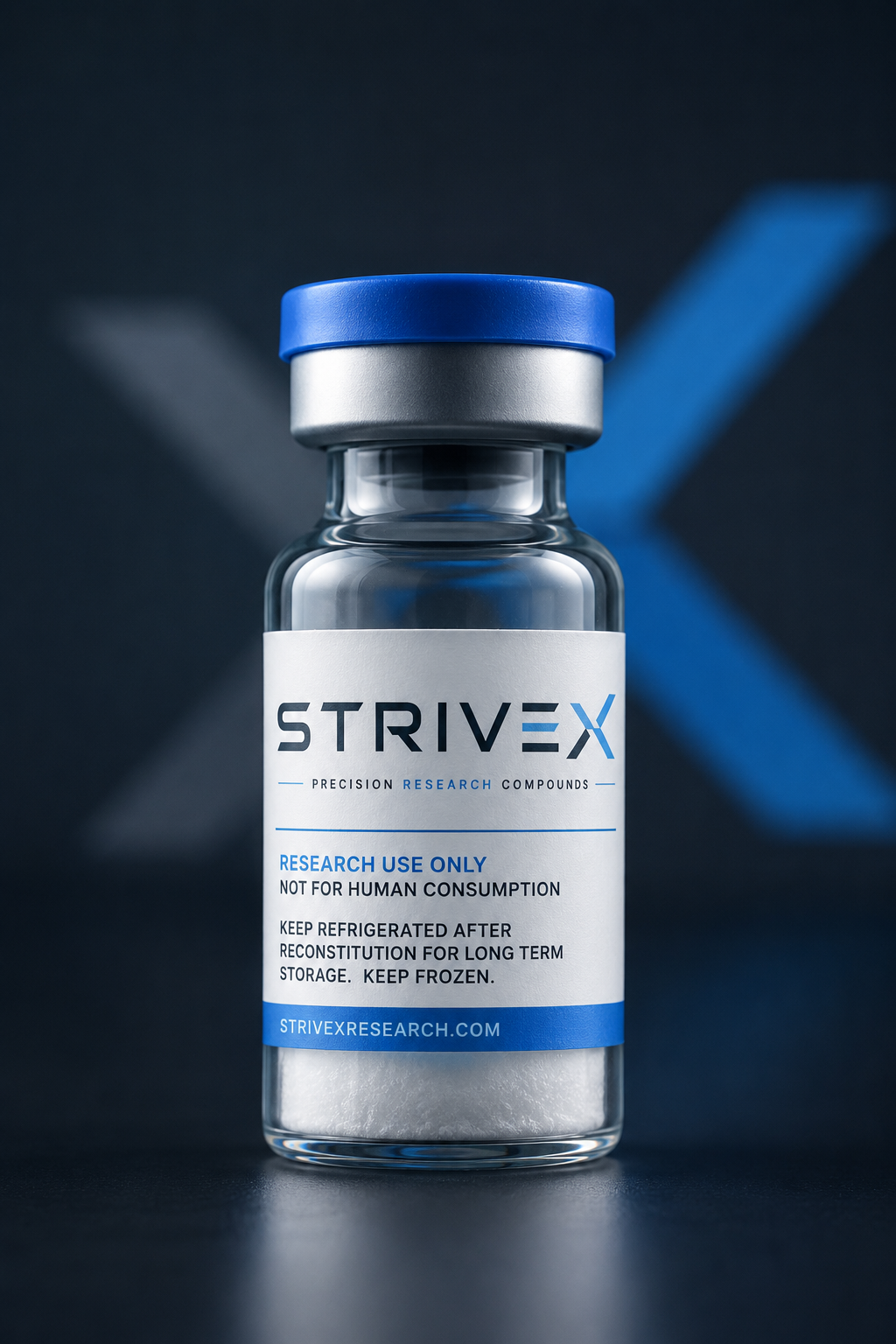
Introduction to Peptide Research
Peptide research involves investigating how peptides function, interact with biological systems, and respond to various conditions. Whether you’re studying cellular signaling, protein interactions, or metabolic processes, understanding fundamental research protocols is essential for success.
Getting Started with Peptide Research
Essential Equipment
Before beginning peptide research, ensure you have:
Laboratory Equipment
- Precision scale (for measuring peptides)
- Pipettes (various volumes)
- Sterile syringes and needles
- Sterile vials and containers
- Refrigeration and freezer units (-20°C minimum)
- pH meter
- Centrifuge
- Incubator or water bath
Safety Equipment
- Lab coat and gloves
- Safety glasses
- Biosafety hood (for sterile work)
- First aid kit
- Emergency shower
Testing Equipment
- Microscope
- Spectrophotometer
- HPLC system (for advanced work)
- Incubator for cell cultures
Laboratory Setup
Proper laboratory organization is critical:
- Designate work zones: Separate areas for preparation, research, and storage
- Maintain cleanliness: Regular cleaning and disinfection
- Organize materials: Easy access to frequently used items
- Control temperature: Maintain appropriate storage temperatures
- Document everything: Keep detailed records of all work
Peptide Reconstitution Protocol
Reconstitution is the process of preparing lyophilized (freeze-dried) peptides for use.
Step-by-Step Reconstitution
1. Preparation
- Gather all necessary materials
- Ensure workspace is clean and sterile
- Wear appropriate safety equipment
- Verify peptide specifications and batch number
2. Calculate Volume
- Determine desired final concentration
- Calculate required volume of reconstitution solution
- Use the formula: Volume = (Desired Concentration × Peptide Amount) / Peptide Concentration
3. Obtain Reconstitution Solution
- Use bacteriostatic water (BAC Water) for most peptides
- Ensure solution is sterile and properly stored
- Use appropriate volume for your calculations
4. Reconstitution Process
- Draw BAC Water into sterile syringe
- Add water slowly to peptide vial
- Allow 15-30 minutes for full dissolution
- Gently mix (don’t shake vigorously)
- Verify clarity of final solution
5. Verification
- Visual inspection: Solution should be clear
- Check for any cloudiness or particles
- pH testing if protocol requires
- Document date, time, and initial concentration
6. Storage of Reconstituted Peptide
- Store at 2-8°C for short-term use (2-7 days)
- Store at -20°C for longer periods
- Label with reconstitution date
- Never store at room temperature
Common Research Applications
Cellular Studies
Cell Culture Preparation
- Prepare cell culture media appropriate for your cell type
- Thaw cells carefully at 37°C
- Centrifuge to separate cells from cryopreservative
- Resuspend in fresh media
- Plate at appropriate density
- Allow cells to attach and acclimate
Treatment Protocol
- Prepare peptide treatment solution
- Calculate treatment concentration
- Apply peptide to cultured cells
- Incubate for specified time period
- Collect cells or media for analysis
- Document all observations
Analytical Testing
Protein Analysis
- Prepare samples according to protocol
- Perform appropriate assays (HPLC, mass spectrometry)
- Analyze results according to standards
- Document findings
Purity Assessment
- Verify peptide purity using analytical methods
- Compare results to quality standards
- Document any discrepancies
- Store results for research records
Essential Research Protocols
Dosage Calculation
Accurate dosing is crucial for reproducible research:
Formula for Dosage
Dose = (Concentration × Volume) / Body Weight (or Cell Count)Example Calculation
- Peptide concentration: 10 mg/mL
- Volume to administer: 1 mL
- Organism/cell count: 1 kg (or 1 million cells)
- Dose = (10 mg/mL × 1 mL) / 1 = 10 mg/kg
Time Course Studies
Time course studies examine how effects change over time:
- Design protocol: Determine time points (e.g., 1h, 4h, 8h, 24h)
- Prepare samples: Create multiple identical samples
- Apply treatment: Add peptide at time zero
- Collect samples: Harvest at each time point
- Analyze results: Compare changes across time points
- Document findings: Record all data and observations
Dose-Response Studies
Dose-response studies determine how effects change with different doses:
- Design protocol: Select dose range (e.g., 0.1, 1, 10, 100 μM)
- Prepare samples: Create samples for each dose
- Apply treatments: Add different peptide concentrations
- Incubate: Allow appropriate reaction time
- Measure response: Quantify effects at each dose
- Analyze data: Plot response vs. dose
- Determine EC50: Find concentration producing half-maximal response
Data Collection and Analysis
Documentation Essentials
Keep detailed records including:
- Experimental date and time
- Peptide batch number
- Concentrations used
- Temperature and storage conditions
- Incubation times
- Observations (color, clarity, etc.)
- Measurement results
- Any deviations from protocol
Quality Control Measures
- Baseline measurements: Establish control values
- Positive controls: Use known positive responses
- Negative controls: Test without peptide treatment
- Replicate experiments: Repeat studies for consistency
- Statistical analysis: Determine significance of results
Common Challenges and Solutions
Challenge: Poor Dissolution
Potential Causes
- Insufficient time for dissolution
- Incorrect water temperature
- Vigorous shaking
Solutions
- Allow 30+ minutes for dissolution
- Use room temperature BAC Water
- Mix gently without shaking
Challenge: Inconsistent Results
Potential Causes
- Improper storage
- Freeze-thaw damage
- Incorrect dosing
- Contamination
Solutions
- Verify storage conditions
- Use aliquots (minimize freeze-thaw)
- Double-check calculations
- Maintain sterile technique
Challenge: Contamination
Potential Causes
- Non-sterile technique
- Contaminated materials
- Improper storage
Solutions
- Use sterile technique
- Work in biosafety hood
- Use fresh, verified materials
- Maintain proper storage
Best Practices for Successful Research
Protocol Development
- Research existing protocols: Learn from published methods
- Plan thoroughly: Design comprehensive protocols
- Start small: Begin with pilot studies
- Document everything: Create detailed protocols
- Get feedback: Have others review your methods
Safety Practices
- Follow regulations: Comply with institutional guidelines
- Use safety equipment: Wear required protective gear
- Handle materials carefully: Avoid spills and exposure
- Document incidents: Report any accidents
- Get training: Ensure proper safety training
Data Management
- Record immediately: Document data in real-time
- Use templates: Create consistent recording methods
- Backup files: Maintain digital and physical copies
- Store securely: Protect research data
- Maintain organization: Keep records organized
Regulatory and Ethical Considerations
Documentation for Research
- Keep comprehensive records of all research
- Document source and quality of materials
- Maintain batch numbers and certificates of analysis
- Store records securely for required periods
Institutional Requirements
- Follow your institution’s research guidelines
- Obtain necessary approvals for your research
- Comply with safety and ethical standards
- Report findings according to requirements
Advancing Your Research
Progression Path
- Foundational studies: Learn basic protocols
- Exploratory work: Test peptides and conditions
- Optimization: Refine methods for best results
- Advanced applications: Design complex experiments
- Publication preparation: Document and analyze comprehensive findings
Conclusion
Peptide research opens doors to fascinating scientific investigation. By following established protocols, maintaining careful documentation, and adhering to best practices, you can conduct rigorous research that advances scientific knowledge.
Starting with high-quality GMP-certified peptides ensures your foundation is solid. Combined with proper technique and thorough documentation, you’re set for successful peptide research.
Ready to begin your peptide research? Explore our premium peptide catalog and get started with confidence. Learn proper storage best practices to maintain peptide quality throughout your research.